

Selecting the correct fiber optic patch cord length is one of the simplest ways to improve the performance, reliability, and longevity of your network infrastructure. Whether you’re connecting switches inside a data center, linking patch panels in a server room, or deploying enterprise fiber networks, the length of your patch cord can directly affect signal quality, cable management, and overall installation efficiency.
At Prospace Shop, we supply a comprehensive range of Comptyco Fiber Optic Patch Cords from our Johannesburg office, helping businesses, network installers, Internet Service Providers (ISPs), and IT professionals build dependable fiber optic networks.
This article has been adapted from technical information originally published by Comptyco and rewritten to provide practical guidance for our customers.
Why Choosing the Correct Patch Cord Length Matters
Although a fiber optic patch cord may seem like a small component, selecting the wrong length can lead to unnecessary signal loss, cable clutter, and maintenance challenges.
A patch cord that is too short places excessive tension on the connectors, while one that is too long creates excess slack that can be difficult to manage. Both situations can negatively affect the performance and reliability of your network.
Choosing the correct length from the beginning helps ensure cleaner installations, protects your investment, and supports long-term network performance.
The Relationship Between Patch Cord Length and Signal Quality
Minimize Optical Signal Loss
Every fiber optic connection introduces a small amount of insertion loss as light passes through connectors and fiber. While a single patch cord contributes very little attenuation, unnecessary cable length adds incremental optical loss to the overall link.
In larger installations where multiple patch cords are connected together, these small losses accumulate and can eventually affect network performance.
Selecting the shortest practical patch cord for each connection helps maintain your optical power budget and ensures efficient signal transmission.
Prevent Bend-Related Signal Degradation
One of the most common causes of avoidable signal loss is improper cable management.
Excess cable is often coiled inside racks or cabinets. If those loops exceed the manufacturer’s recommended minimum bend radius, macro-bending occurs, allowing light to escape from the fiber core and reducing signal strength.
Using a properly sized patch cord minimizes excess cable, reduces the risk of tight bends, and helps preserve signal integrity.
Measuring the Correct Fiber Optic Patch Cord Length
Measure the Complete Cable Route
Before ordering a patch cord, measure the actual path the cable will follow rather than the straight-line distance between two devices.
Consider routing through:
- Cable managers
- Vertical organizers
- Horizontal cable trays
- Rack channels
- Patch panels
- Equipment entry points
Adding a small service loop of approximately 15–30 cm provides enough flexibility for future maintenance while preventing unnecessary strain on the connectors.
Standard and Custom Length Options
Fiber optic patch cords are commonly available in standard lengths, including:
- 0.5 m
- 1 m
- 2 m
- 3 m
- 5 m
- 10 m
If these standard sizes don’t suit your installation, custom-length patch cords offer an ideal solution.
Custom lengths eliminate unnecessary slack while ensuring the cable reaches its destination comfortably without placing stress on the connectors.
Choosing the Right Length for Different Applications
Data Centers and High-Density Network Cabinets
Data centers require organized and efficient cable management.
Patch cords that are longer than necessary create congestion, increase the likelihood of accidental disconnections, and make troubleshooting more difficult.
Many organizations simplify maintenance by standardizing patch cord lengths based on rack layouts, making upgrades and future changes faster and more efficient.
Outdoor and Distribution Network Installations
Outdoor fiber installations often require longer patch cords between termination boxes and networking equipment.
Even in these environments, selecting the closest practical cable length is recommended. Any remaining slack should always be stored carefully while maintaining the minimum bend radius specified by the manufacturer.
OTDR Testing Applications
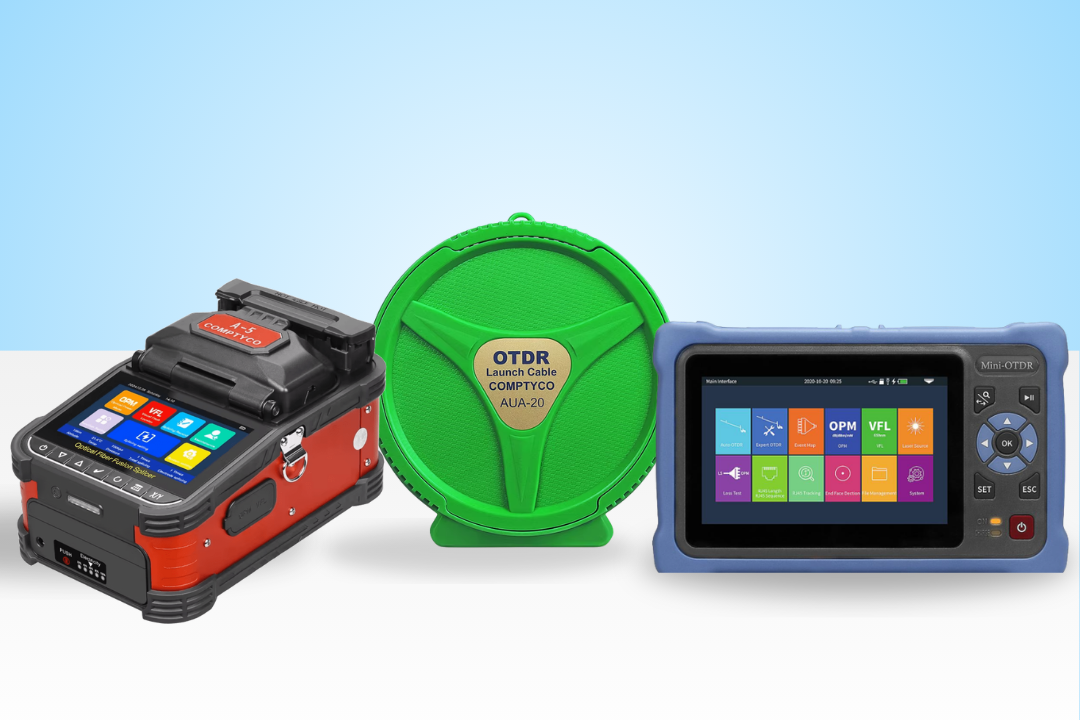
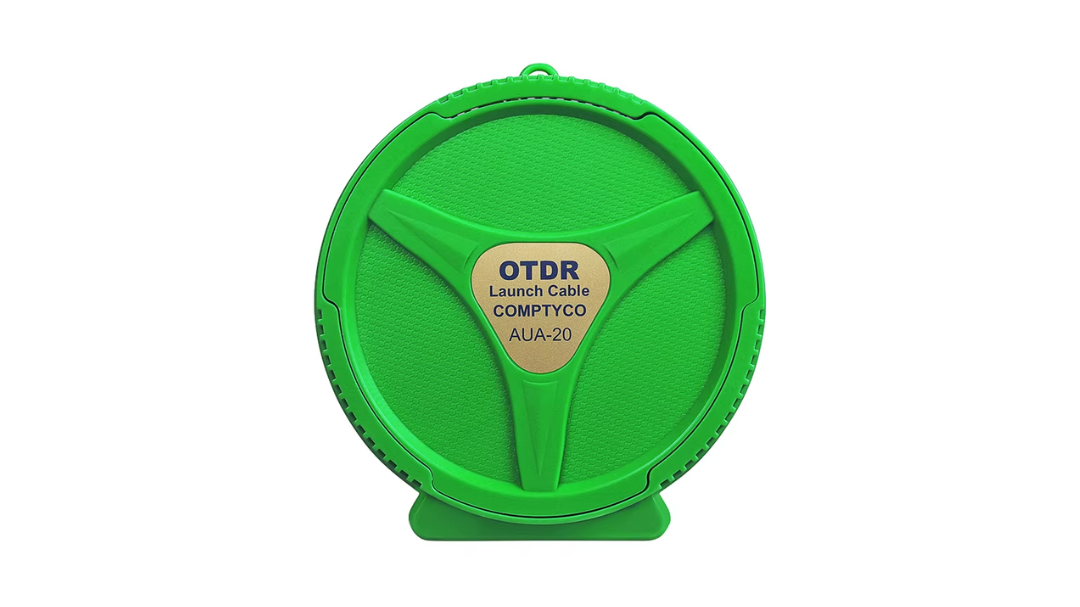
When performing Optical Time Domain Reflectometer (OTDR) testing, launch cables must be selected carefully.
A launch cable that is too short may leave the first connector or splice hidden inside the OTDR dead zone, resulting in inaccurate measurements.
Depending on the testing equipment and application, OTDR launch cables typically range from 50 m to 500 m. Choosing the appropriate length ensures more accurate testing and reliable fault identification.
Best Practices for Selecting Fiber Optic Patch Cords
To achieve the best network performance:
- Measure the complete cable routing path before ordering.
- Include a small service loop for future maintenance.
- Avoid unnecessary cable slack.
- Never exceed the minimum bend radius.
- Select custom lengths when standard sizes don’t provide the best fit.
- Organize patch cords by application and rack location for easier maintenance.
Following these best practices results in cleaner installations, reduced signal loss, and improved long-term reliability.
Frequently Asked Questions
What happens if my fiber optic patch cord is too long?
An overly long patch cord creates excess slack that often needs to be coiled. Tight bends can lead to macro-bending loss, reducing optical performance while making cable management more difficult.
Can I use a patch cord that is shorter than the measured route?
No. A patch cord that is too short places constant tension on the connectors, increasing insertion loss and potentially causing long-term connector damage. Always measure the complete routing path and include a small service allowance.
Are custom-length fiber optic patch cords worth it?
Yes. Custom-length patch cords improve cable management, reduce clutter, minimize unnecessary bending, and create a cleaner, more professional installation. They are particularly valuable in structured cabling systems, enterprise networks, data centers, and OTDR testing environments.
Find the Right Fiber Optic Patch Cord at Prospace Shop
Whether you’re upgrading an enterprise network, expanding a data center, deploying structured cabling, or performing fiber testing, selecting the correct patch cord length helps maximize network performance while simplifying cable management.
At Prospace Shop, we stock a wide selection of Comptyco Fiber Optic Patch Cords and professional fiber optic networking solutions from our Johannesburg office. Our team is ready to help you choose the right products for your project and ensure your installation meets industry best practices.
Browse our fiber optic solutions today and contact us for expert advice on selecting the ideal patch cord for your network.
Visit: www.prospaceshop.co.za
Contact: info@pro-space.co.za